
Going plant-based is already one of the best things you can do for the planet, but there’s always more you can do, and the kitchen is a great place to start. Food waste is a massive problem globally, and a lot of it happens right at home, in our own fridges and trash cans. But fortunately, reducing this doesn’t require a complete lifestyle change or buying a bunch of expensive products. It mostly just requires paying a bit more attention to what you already have.
Here are some of the habits that have made the biggest difference in our kitchen.
Use everything, including the parts you’d normally throw away
Vegetable scraps have a lot of life left in them. Onion skins, carrot tops, celery leaves, herb stems, the ends of leeks, mushroom stems, the outer leaves of cabbage. None of this needs to go in the trash. Throw it all in a bag in the freezer and when the bag is full, cover it with water, simmer it for an hour, and you have a free, flavorful vegetable broth that’s better than anything from a carton. We do this constantly and it costs absolutely nothing.
Citrus peels can be dried and used to flavor teas or baked goods. Aquafaba, the liquid from a can of chickpeas, whips into meringue or works as an egg replacer in baking. Stale bread makes incredible breadcrumbs or croutons. Overripe bananas make banana bread, and so on…
Shop with a plan but cook with flexibility
Meal planning reduces waste more than almost anything else because it means you buy what you actually need instead of what sounds good in the store (especially if you’re shopping while hungry). But rigid meal planning can also lead to waste if life gets in the way and you don’t end up making what you planned. The trick is to plan loosely around ingredients rather than specific recipes. Buy a big bunch of kale and decide you’ll use it in something this week, rather than buying it specifically for one recipe and then finding half of it wilting in the fridge by Thursday.
Cooking flexibly means treating recipes as suggestions rather than instructions. If a recipe calls for spinach and you have Swiss chard, use the Swiss chard. If it calls for cannellini beans and you have chickpeas, use the chickpeas. Most of the time it works out fine, and it keeps things from going to waste just because they’re not exactly what a recipe specified.
We do this constantly and it costs absolutely nothing.
A huge amount of food waste comes down to bad storage. Herbs last much longer wrapped in a damp paper towel in the fridge. Avocados ripen faster in a paper bag with a banana (the power of ethylene!). Leafy greens stay crisp longer if you wash and dry them before storing. Nuts and seeds can go bad faster than you’d think, especially in a warm kitchen – the fridge keeps them fresh much longer. Bread stays fresh longer in a cloth bag than a plastic one.
None of this is complicated but it makes a huge difference in how long things last, which means less stuff going bad before you get to it.
Buy in bulk where you can
Dried lentils, beans, grains, oats, nuts, seeds. Buying these in bulk reduces packaging waste significantly, and it’s almost always cheaper too. If you have a zero-waste or bulk store near you, it’s worth getting into the habit of bringing your own containers and stocking up on staples. If not, buying the largest size available at the regular grocery store is still better than buying lots of small individually packaged portions.
Compost what’s left
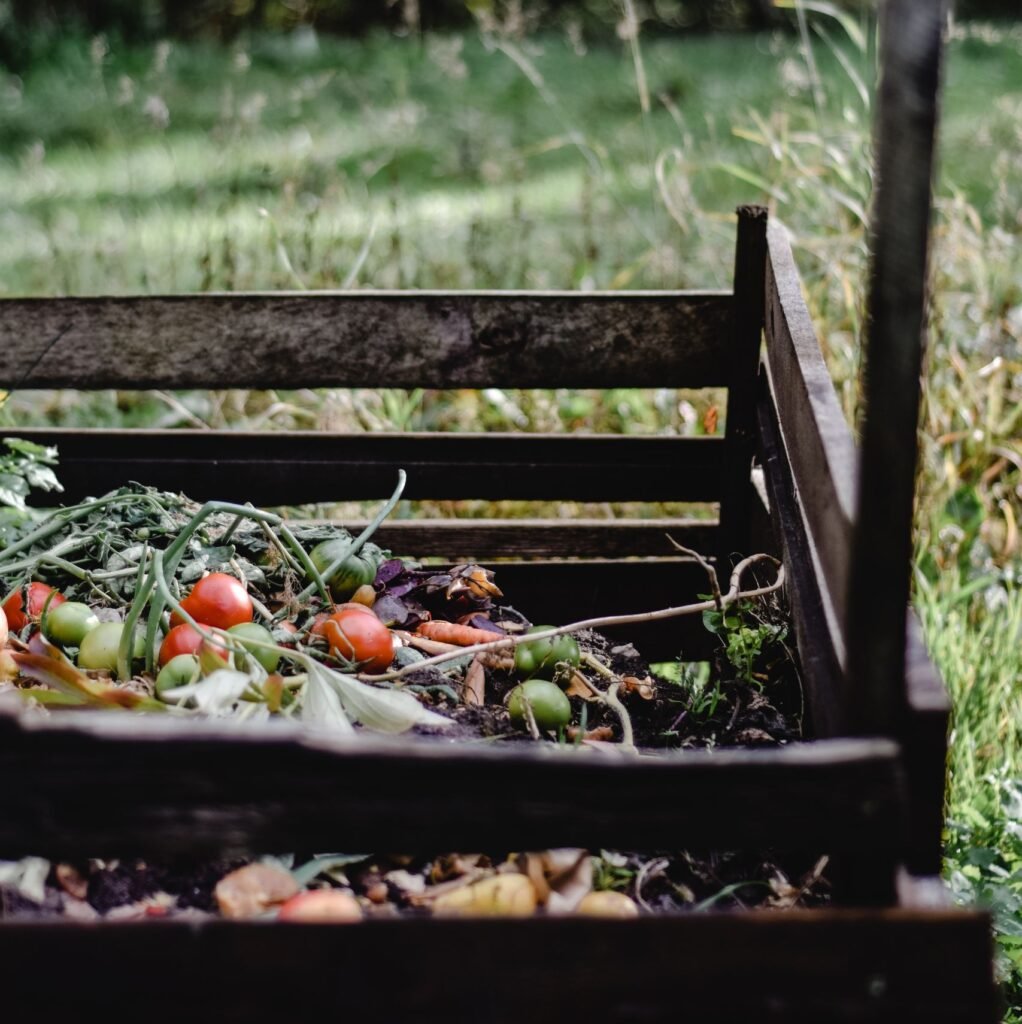
Even with the best intentions, some food waste is unavoidable. Coffee grounds, eggshells if you’re not fully vegan yet, fruit and vegetable scraps that didn’t make it into the broth bag. Composting these instead of tossing them in the trash makes a real difference because food produces methane as it breaks down in the landfill, whereas compost returns nutrients to the soil. If you don’t have a garden, many cities have community composting programs, and some municipalities collect food scraps alongside regular recycling.
Buy less, more often
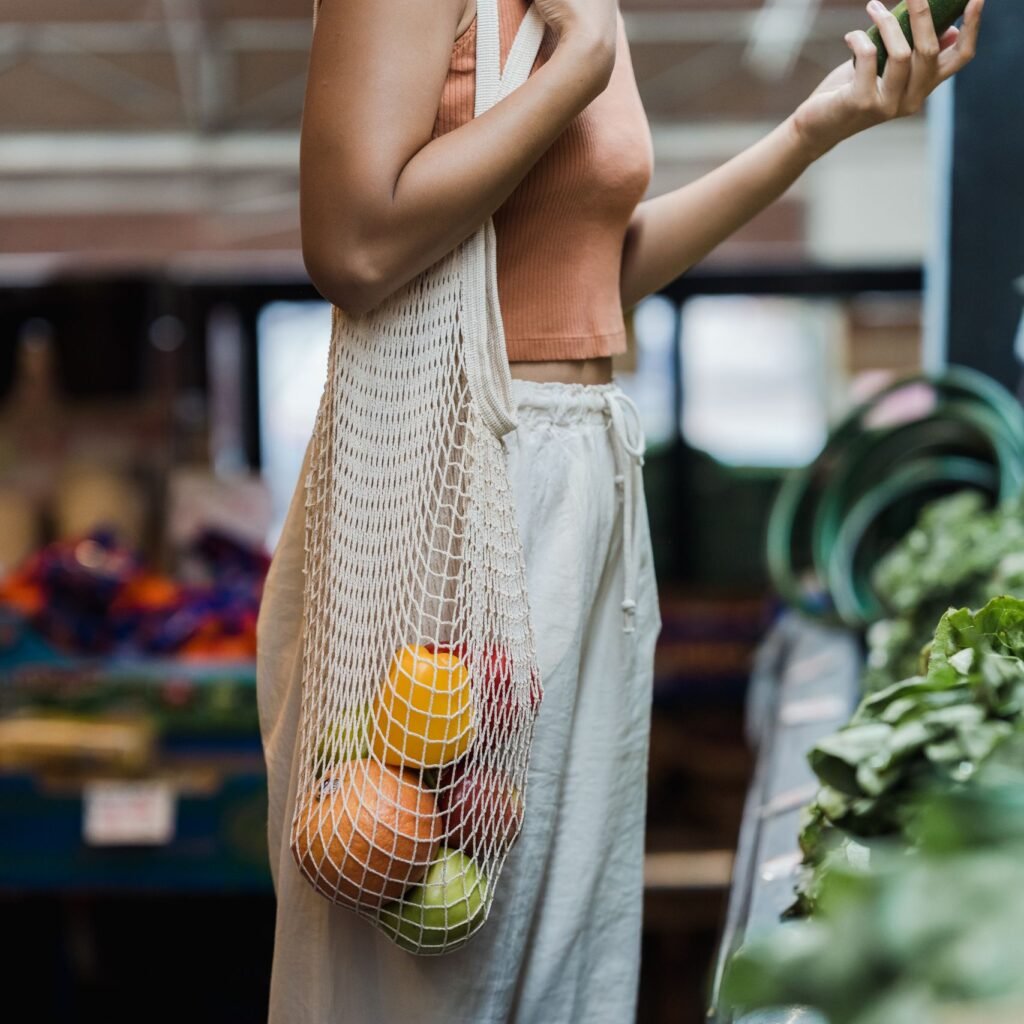
One of the biggest sources of food waste is buying too much at once, especially fresh produce, with good intentions that don’t always survive your busy week. Buying smaller amounts more frequently means you’re working with fresher ingredients, you’re less likely to end up with things going bad, and you’re making more intentional choices about what you actually need. It also means more trips to the shop, but if you have a good farmers market nearby this is not exactly a hardship.
Small habits, done consistently, add up to something real. And honestly, a lot of this stuff just makes you a better cook too. Using scraps creatively, cooking flexibly, wasting less. It forces you to be more resourceful in the kitchen, which turns out to be way more fun than following a recipe to the letter every single time.