
There’s this persistent idea that eating vegan is expensive. And honestly, if you’re buying every meat alternative, every fancy oat milk latte, and every trendy superfood powder the internet recommends, it can be. But here’s the thing: the foundation of a vegan diet is made up of some of the cheapest ingredients on the planet. Lentils, beans, oats, rice, seasonal vegetables, pasta. This is not luxury food. This has been feeding people affordably for centuries, and it’s delicious.
Eating vegan on a budget is absolutely doable. You just have to approach it the right way. Here are some tips.
Build your meals around legumes and grains
Dried lentils and beans are probably the most cost-effective protein source in existence. A bag of red lentils costs almost nothing, cooks in twenty minutes, and can become soup, dal, curry, pasta sauce, or taco filling depending on what else you have around. Chickpeas, black beans, kidney beans, white beans: buy them dried if you want the best price, or canned if you’re in a hurry. Either way, you’re getting a ton of protein and fiber for very little money.
Whole grains like rice, oats, quinoa, and barley are the same story. A pot of rice and a can of beans isn’t a sad consolation prize. It’s the foundation of about a thousand different cuisines and it’s freaking delicious when you season it properly.
Shop seasonally and locally where you can
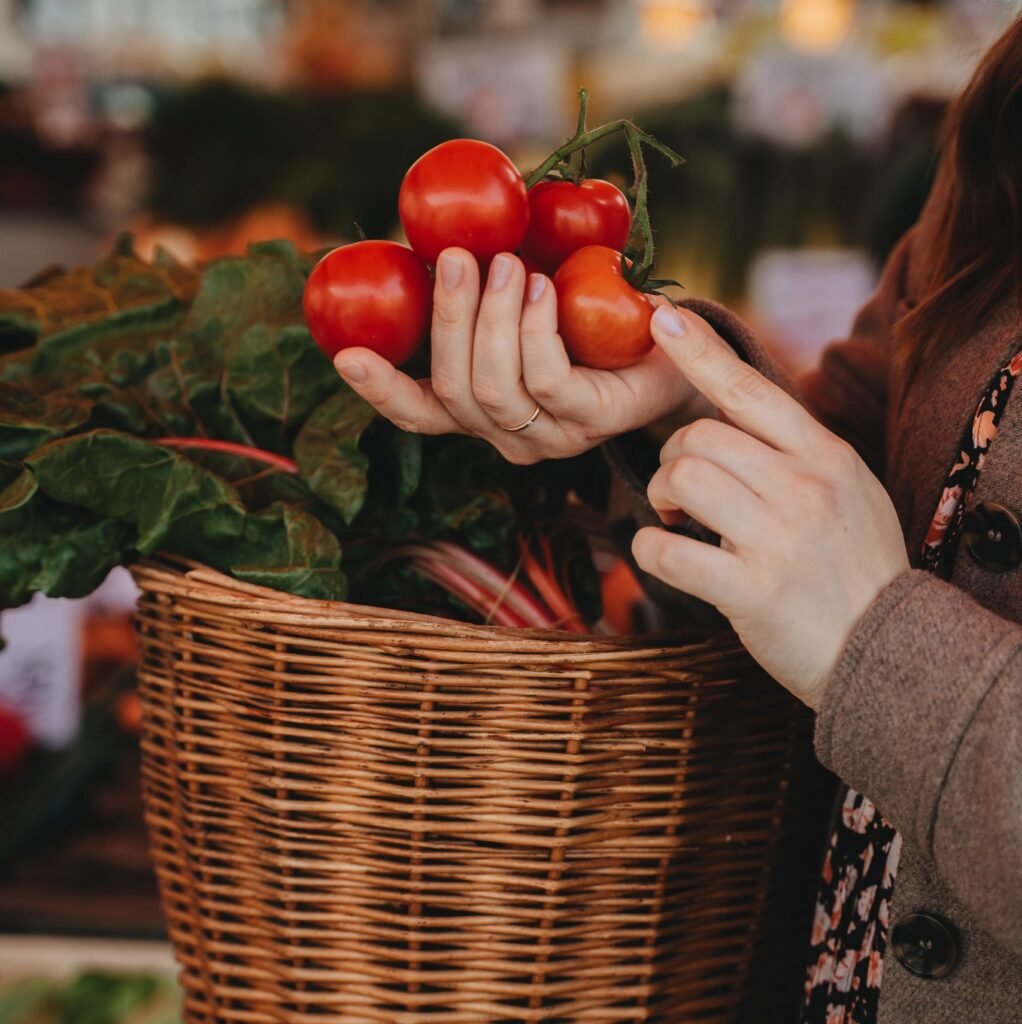
Seasonal produce is almost always cheaper than out-of-season produce, and it tastes better too. In summer, tomatoes, zucchini, cucumbers, and peppers are everywhere and hella cheap. In fall, squash, root vegetables, and cabbages take over. Leaning into whatever’s in season rather than insisting on the same vegetables year-round keeps your grocery bill lower and your cooking more interesting.
Farmers markets are great for this, especially toward the end of the day when vendors are often happy to sell off remaining stock at a discount. Local or ethnic grocery stores are also worth exploring. They almost always carry staples like dried legumes, spices, and fresh produce at significantly lower prices than mainstream supermarkets.
Spices are your best investment
The difference between boring food and food you can’t stop eating is almost always spices. A pot of lentils can be completely forgettable or it can be the best thing you’ve eaten all week, depending entirely on what you do with cumin, coriander, smoked paprika, turmeric, and a bit of chili. Building a good spice collection takes a small upfront investment, but the cost per meal is negligible once you have them and they last a looong time.
And honestly, this is where vegan cooking gets really fun. Vegetables and legumes have so much more flavor and variety than people give them credit for. A perfectly roasted sweet potato, a smoky lentil dal, a bright lemony chickpea stew: none of that needs meat to be interesting. Spices just make it even better, which is saying something because the base ingredients are already incredible on their own.
Be smart about convenience products
Vegan meat alternatives, plant-based cheeses, and specialty products are the most expensive part of eating vegan, for sure. Some of them are great and we definitely use them, but they shouldn’t be the center of every meal if you’re watching your budget. Think of them as occasional additions rather than staples.
Same goes for non-dairy milks. Making your own oat milk at home is incredibly cheap and takes about five minutes. Blend oats with water, strain, done. It’s not quite as creamy as the barista versions from the store, but for cooking and everyday use it works perfectly well.
Batch cook and stop throwing things away
One of the biggest ways people overspend on food is buying things they never use before they go bad, or ordering takeout because there’s nothing ready to eat. Batch cooking solves both problems at once. Spend an hour or two on a Sunday making a big pot of grains, some roasted vegetables, and a legume-based protein, and you’ve got the building blocks of multiple meals for the week.
It doesn’t have to mean eating the same thing every day. A big batch of chickpeas can become a buddha bowl on Monday, a curry on Tuesday, and a wrap filling on Wednesday. The goal is having components ready to throw together quickly rather than starting from scratch every night when you’re tired and hungry and tempted to just order pizza.
Also: use your scraps. Wilting herbs, the last of a can of coconut milk, half an onion that’s been sitting in the fridge. These things have value. Soups and stews are especially forgiving of improvisation, and a vegetable broth made from scraps costs absolutely nothing.
Frozen vegetables are also underrated. They’re often cheaper than fresh, they don’t go bad, and nutritionally they’re just as good. A bag of frozen spinach, peas, or edamame in the freezer means you always have something green available even when the fresh stuff has run out.
Vegan food should be cheaper anyway
Here’s something worth saying out loud: vegan food should cost less than animal products to begin with. Animal agriculture is resource-intensive in a way that plants simply are not. It takes significantly more land, water, and energy to produce a kilogram of meat or dairy than it does to produce the equivalent in legumes or grains. If the true environmental cost of animal products were reflected in their price, the math would look very different at the checkout. Plants would be the affordable option by a wide margin, and they mostly are, once you stop buying the processed versions.
Which brings us to something that is genuinely maddening: the oat milk surcharge. You know the one. You go to a cafe, ask for oat milk in your coffee, and they charge you an extra fifty cents to a euro for the privilege. For oat milk. Which costs less than dairy milk to produce. The logic is hard to follow and the frustration is very real. Same goes for vegan menu options that cost more than their meat counterparts for no obvious reason other than that the restaurant knows you’ll pay it.
Not everywhere does this, though, and it’s worth paying attention to which places don’t. The cafes and restaurants that price their plant-based options fairly, or that offer oat milk without an upcharge, tend to be the ones that actually care about making vegan food accessible. They’re not treating it as a niche add-on for a specific type of customer. They want everyone, including your most committed carnivore friend, to try the vegan option and enjoy it without feeling penalized for the choice.
Those are the places worth supporting. Seek them out, go back, leave a good review. It matters more than it might seem.
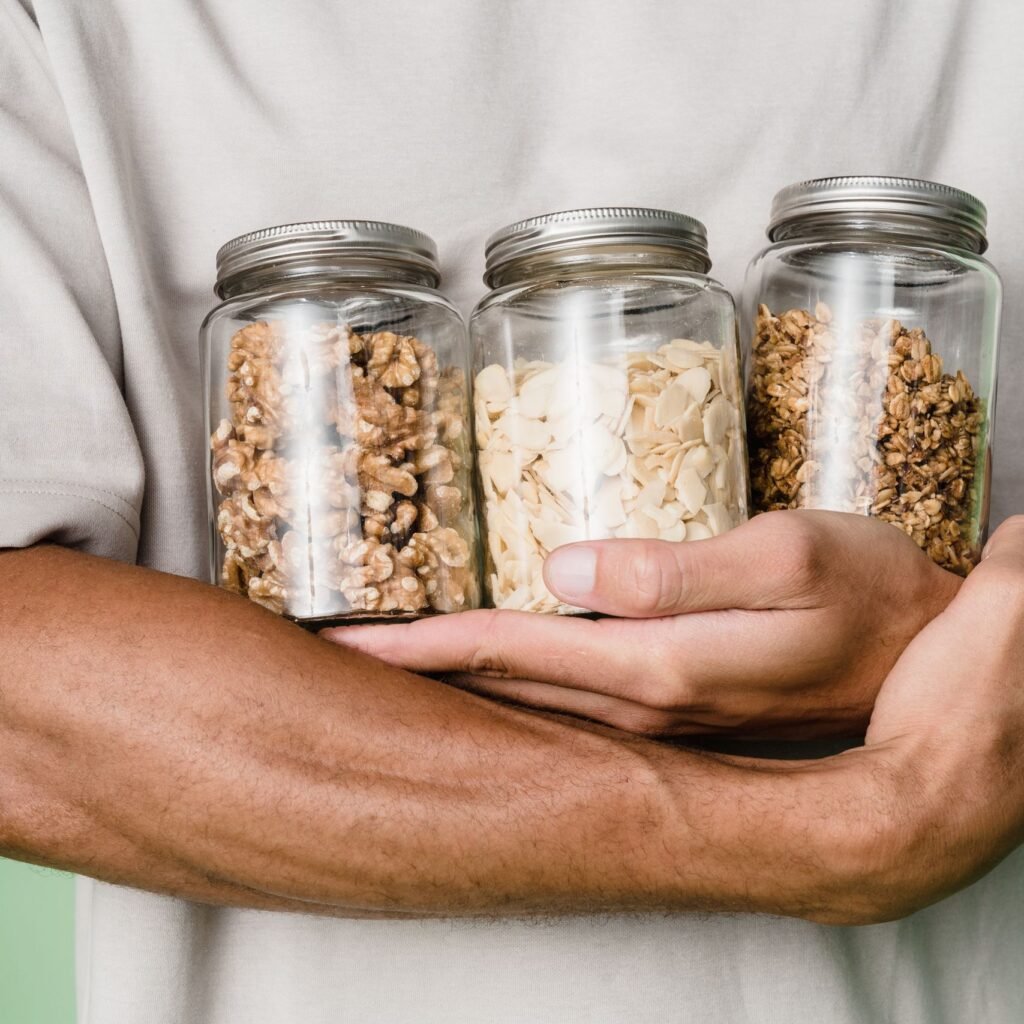
Eating vegan on a budget doesn’t have to be a sacrifice. It just takes knowing which ingredients give you the most value, cooking from scratch more often than not, and not letting convenience products eat up your grocery budget. The more you cook, the less you spend, and honestly the better everything tastes. That part never gets old.