If you care about the planet, what’s on your plate matters more than almost anything else you do. Here’s why.
It’s a major driver of greenhouse gas emissions
Animal agriculture is responsible for a significant share of global greenhouse gas emissions — more than the entire transportation sector in many estimates. Cattle alone produce methane, a gas far more potent than CO2 in the short term, simply through digestion. Multiply that by the billions of animals raised for food worldwide, and the numbers add up fast.
What makes this especially important is the timeline. Methane breaks down faster than CO2, but it traps far more heat while it’s in the atmosphere. That means cutting methane emissions, largely by reducing animal agriculture, has an outsized impact on slowing warming in the near term, which matters a lot when it comes to avoiding climate tipping points.
It’s one of the leading causes of deforestation
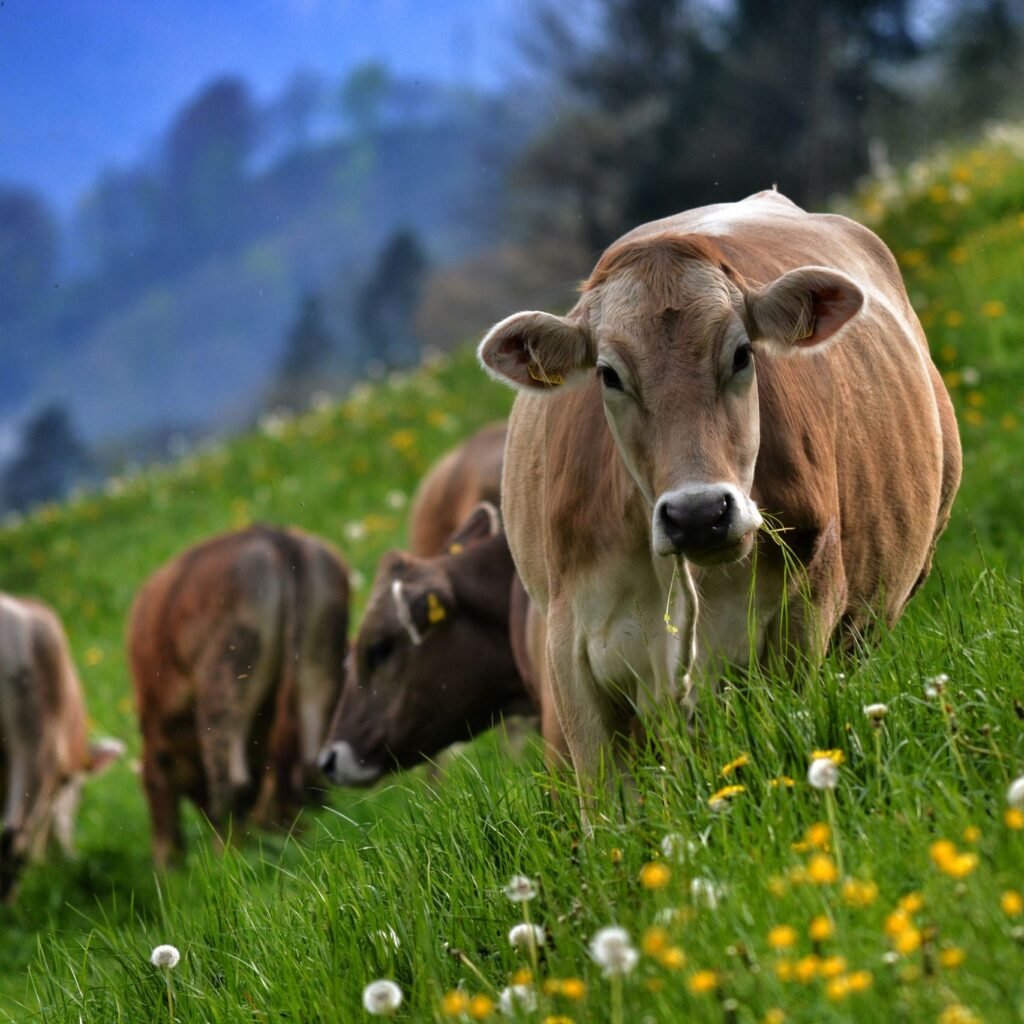
Vast areas of forest, including significant portions of the Amazon, are cleared every year to make room for livestock grazing or to grow crops used almost entirely to feed farmed animals. The vast majority of soy grown worldwide, for example, doesn’t end up on dinner plates as tofu or edamame — it goes into animal feed.
Forests are some of the planet’s best tools for absorbing carbon and supporting biodiversity, so losing them to animal agriculture has a ripple effect far beyond the immediate land use. Fewer trees means less carbon absorbed, less habitat for wildlife, and a less stable climate system overall. It’s a feedback loop that compounds over time.
It uses an enormous amount of water
Producing meat and dairy requires dramatically more water than producing plant-based foods. Growing crops, particularly grains and soy, just to feed livestock who are then eaten, is a deeply inefficient use of water resources — every step in that chain loses energy and resources, which is why animal products end up so water-intensive compared to eating the plants directly.
In regions already experiencing water scarcity, this isn’t a small or abstract issue. Diverting water toward feed crops and livestock often means less available for communities, especially during droughts, which are becoming more frequent and severe in many parts of the world.
It degrades land and pollutes waterways
Beyond deforestation, animal agriculture contributes to soil degradation through overgrazing and intensive crop production. Soil that’s overworked loses fertility over time, requiring more fertilizer and more land to produce the same yield, which only accelerates the cycle of land degradation.
Runoff from livestock waste and fertilizer use also pollutes rivers, lakes, and oceans, contributing to dead zones where aquatic life can’t survive. Some of the largest dead zones on the planet, including in the Gulf of Mexico, are directly linked to agricultural runoff carried downstream from livestock and feed-crop operations.
It’s a major driver of biodiversity loss
Land cleared for grazing or feed crops is land that’s no longer available as habitat. Combined with the broader effects of climate change, this makes animal agriculture one of the leading contributors to species decline and habitat loss worldwide. Protecting biodiversity is closely tied to how much land we use for food production, and animal agriculture requires significantly more land per calorie than plant-based food does.
Plant-based eating is one of the most effective things you can do
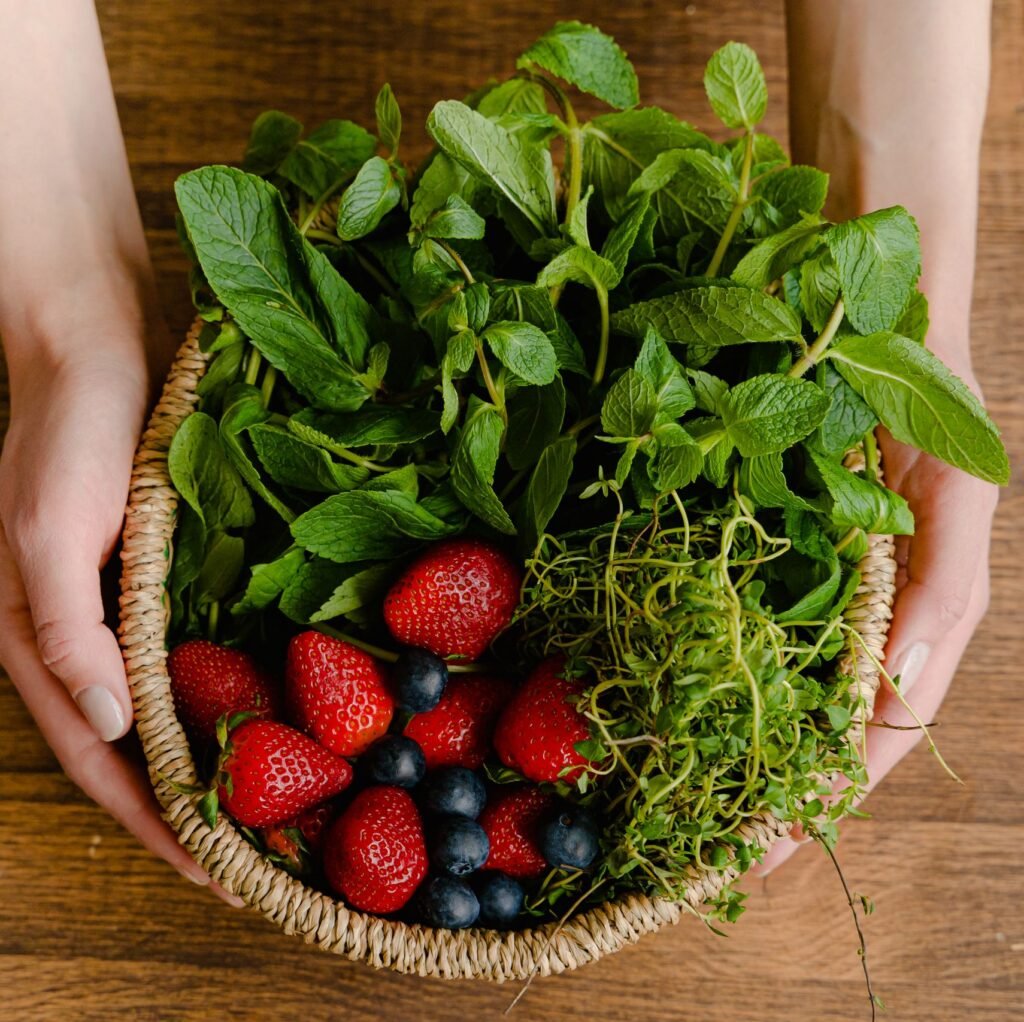
Of all the lifestyle changes available to reduce your environmental impact, shifting toward a plant-based diet ranks among the most effective — alongside things like avoiding flying or driving less. Unlike many systemic environmental issues that feel out of an individual’s control, this one is something you have direct power over, every single day, with every single meal.
And it’s not all or nothing. Replacing a few meals a week, swapping dairy milk for a plant-based alternative, or simply leaning more on legumes and grains in everyday cooking all add up over time, both individually and collectively as more people make similar choices.
Every plant-based meal is a real, measurable difference. Multiply that across millions of people making the same small swaps, and you’re looking at one of the most powerful tools we have for protecting forests, water systems, and the species that depend on a livable planet.