I tried going vegan for the first time over a decade ago. It didn’t stick. Here’s what I know now that I wish I’d known then.
Where you live matters more than you’d think
At the time, I was living in California, and honestly, it was easy. Big cities tend to have an abundance of vegetarian and vegan restaurants, more menus with dietary options clearly labeled, and a kind of food diversity that makes plant-based eating feel completely unremarkable. I barely had to think about it.
Years later, I moved to Europe, and suddenly things got harder. Fewer labeled options, fewer dedicated restaurants, more blank stares when I asked about substitutions. The diet didn’t change; my environment did. If you’re struggling to go vegan and wondering if something’s wrong with you, it might just be that your city hasn’t caught up yet. The good news: things have improved dramatically even in the last ten years, almost everywhere. Apps for finding vegan-friendly restaurants, growing plant-based sections in regular grocery stores, and more awareness in general have made a huge difference, even in smaller towns.
If you live somewhere with fewer options, a few things help: learn to cook a handful of staple meals really well, scope out the one or two restaurants nearby that will accommodate you, and don’t be afraid to ask servers directly what can be modified. Most kitchens are more flexible than the menu suggests.
You need a real reason, convenience isn’t enough
My first attempt at veganism wasn’t really about anything. My roommates were vegan, we cooked together often, and I’d never been a big meat eater anyway, so I figured, why not? It was easy enough to start. But it didn’t last, because there was nothing underneath it. When things got even slightly harder, I had no reason to push through.
This time is different. I care about sustainability. I care about animals. And somewhere along the way, I also just stopped being interested in animal products altogether. They don’t appeal to me anymore, and plants have become endlessly more exciting to cook with. When your reason is real, the inconvenient moments don’t change anything. You just keep going.
If you’re considering it, it’s worth spending some time figuring out what your reason actually is before you start. Is it the animals? The planet? Your health? It doesn’t need to be all three, and it doesn’t need to be perfectly defined. But having something to come back to on the harder days makes an enormous difference.
The nutrition concerns are totally unfounded
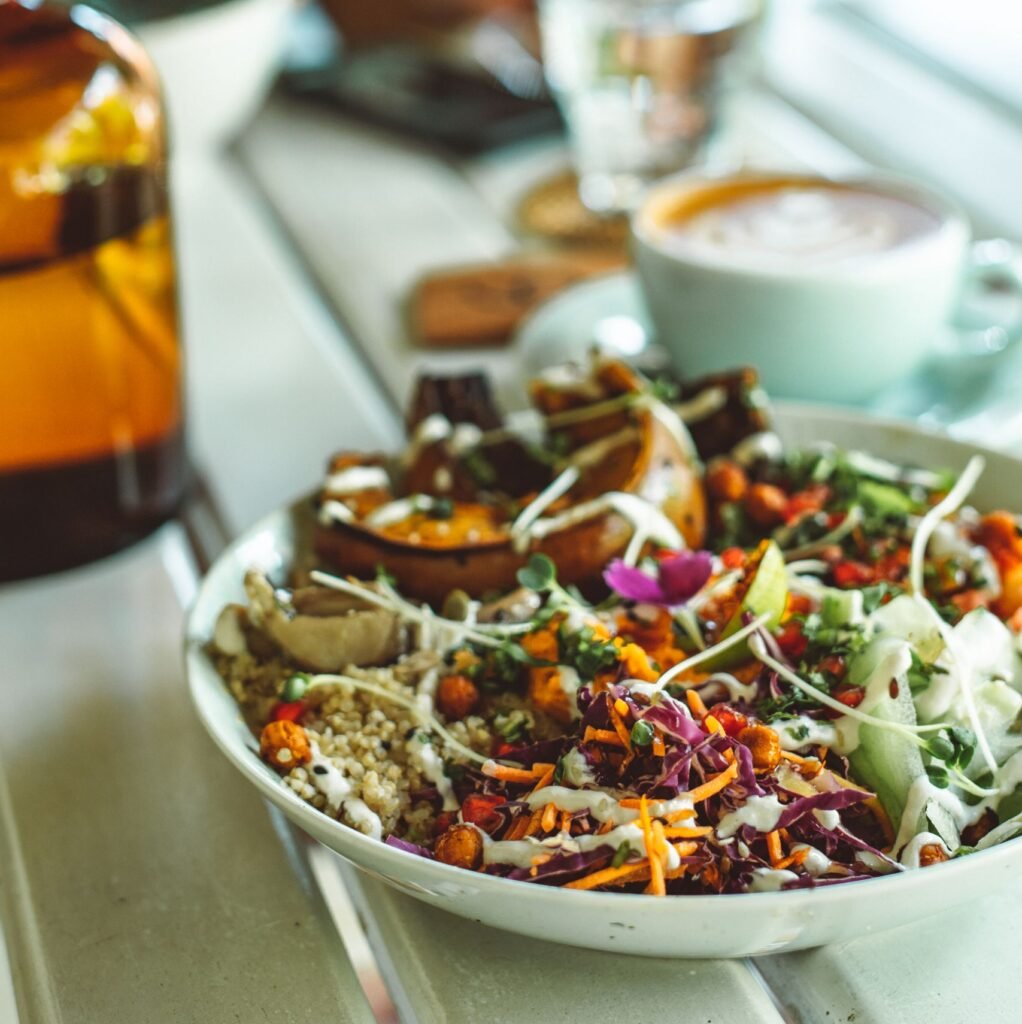
I worried, like a lot of people do, about whether I’d get enough protein, enough iron, enough of everything. It turns out plant-based eating covers all of it remarkably well, and often better than I expected. Lentils, tofu, beans, seeds, whole grains… between all of these, getting proper nutrition on a vegan diet is simple, not some complicated puzzle requiring supplements and spreadsheets.
A few practical things that helped me feel confident nutritionally: pairing iron-rich foods (like lentils or spinach) with vitamin C (like citrus or peppers) to boost absorption, keeping a jar of nutritional yeast around for B12 and a cheesy flavor boost, and not overthinking protein. If you’re eating a varied diet with legumes, grains, nuts, and vegetables throughout the day, it adds up far more easily than people expect.
Your taste buds will change, and that’s a good thing
Something nobody told me: the longer you eat plant-based, the more your palate shifts. Foods that once seemed like “substitutes” start to taste like the main event. Vegetables become more interesting, not less. Spices and sauces you might have leaned on to make plant-based food “exciting” become less necessary because the ingredients themselves start to shine. Give it time. Our cravings really do recalibrate.
Keep your kitchen stocked
One of the easiest ways to fail at any new way of eating is to get hungry with nothing good to eat. Keep a pantry stocked with canned beans, lentils, rice, pasta, frozen vegetables, and a few good sauces. Batch-cook a grain and a protein at the start of the week so you always have something to throw together fast. The less friction there is, the easier it becomes a habit instead of a daily decision.
People will ask you why, a lot
Some won’t understand. Some will challenge you, sometimes politely, sometimes not. This is just part of it. The best approach I’ve found is to stay calm, stay informed, and answer honestly when people are genuinely curious, without feeling the need to convince everyone. Some conversations plant a seed. Others won’t. Either way, it’s not your job to convert anyone, just to live according to what you believe in.
It also helps to pick your battles. Not every comment deserves a debate. Save your energy for people who are actually curious, and let the rest go.
If I could go back and tell my younger self one thing, it would be this: the food part is the easy part. The hard part is having a reason strong enough to outlast the inconvenience. Once you have that, everything else falls into place.