
Whether you’re going fully plant-based or just cutting back, swapping out animal products doesn’t mean sacrificing flavor or texture. Here are the substitutes that actually work, and why.
Milk
Oat milk has become the go-to for a reason — it’s creamy, froths well for coffee, and has a neutral flavor that works in almost anything. It’s also one of the most affordable plant milks to make at home if you want to skip the packaging altogether. Soy milk is the closest match nutritionally, with a comparable protein content to dairy, so it’s a pretty good choice if you’re relying on plant milk as part of your protein intake.
For baking, almond or cashew milk both work well, though they’re slightly thinner than dairy, so recipes that depend heavily on richness may need a small adjustment, like adding a tablespoon of oil. If you’re making something rich like a curry or creamy sauce, full-fat coconut milk is hard to beat. Its higher fat content mimics the texture of cream remarkably well. Rice milk, while less common, is worth knowing about too, since it’s naturally sweet and works really well in things like rice pudding or oatmeal.
Eggs
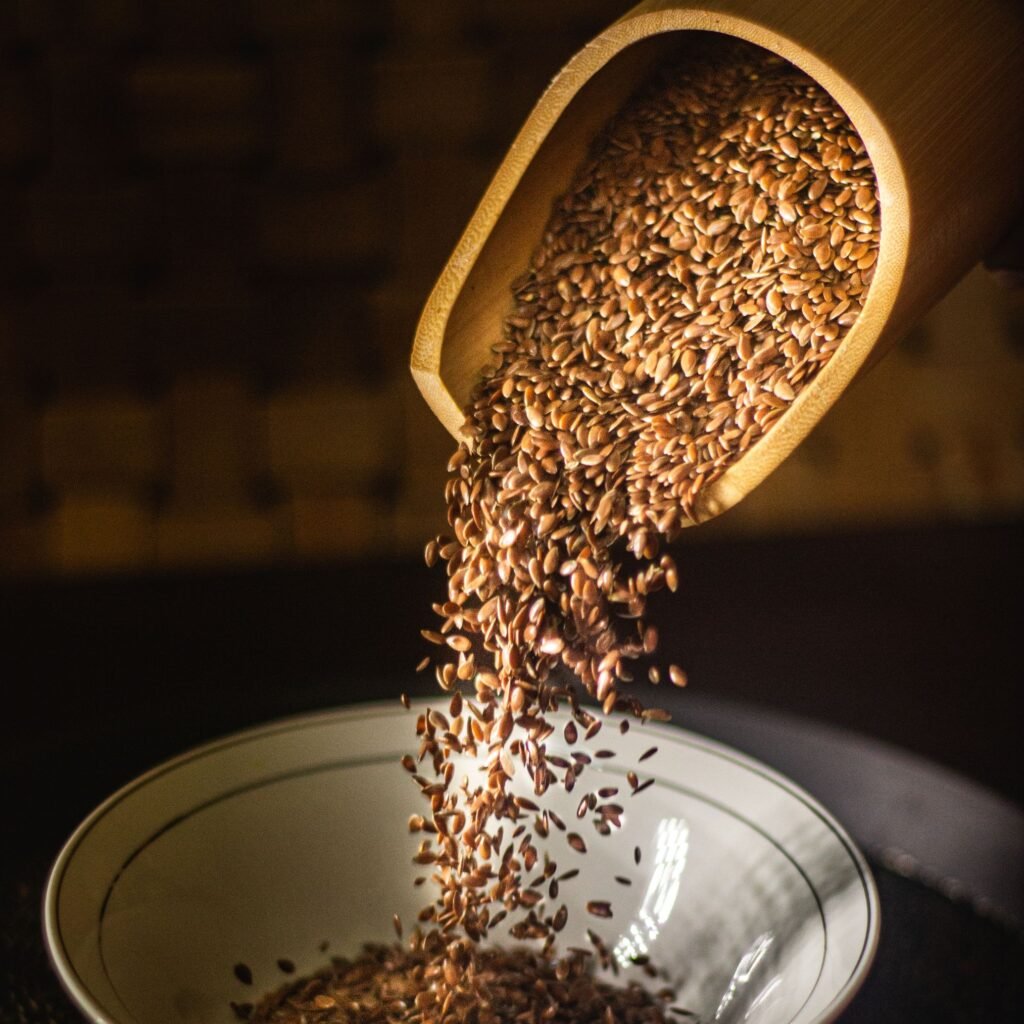
This depends entirely on what the egg is doing in the recipe, which is the most useful way to think about egg substitutes in general. For baking, a flax egg (one tablespoon ground flaxseed mixed with three tablespoons water, left to sit until gel-like) works as a binder in cookies, muffins, and quick breads. Chia seeds work the same way if you don’t have flax on hand.
Mashed banana or unsweetened applesauce also work as binders, with the bonus of natural sweetness, though they do add a subtle flavor, so they’re best in recipes where that’s something you want, like banana bread or a spice cake. For something that needs to scramble or set like a real egg, like a frittata or scramble, blended tofu seasoned with turmeric and black salt gets remarkably close, both in texture and in that faintly sulfuric egg flavor that black salt specifically provides.
Aquafaba, the liquid from a can of chickpeas, is one of the more surprising substitutes. You can whip it into a stunning meringue that works as a binder too, since the starches and proteins in it behave very similarly to egg whites when agitated.
Butter
Plant-based butters like Violife or Earth Balance are formulated to behave almost identically to dairy butter in baking and cooking — same melting point, same texture, and they generally measure and substitute one-to-one with no recipe adjustments needed. For something simpler, coconut oil works well in many recipes, though it brings a slight coconut flavor unless refined, and it behaves a bit differently in pastry since it has a different melting point than butter.
For savory cooking, like sautéing vegetables or basting, a neutral oil like avocado or sunflower oil often does the job just as well without needing a dedicated butter substitute at all.
Cheese
“I could go vegan if it weren’t for cheese”. This is something I’ve heard from SO many people. But did you know that plant-based cheese has improved enormously over the past several years? Cashew-based cheeses are great for soft, spreadable textures like cream cheese or ricotta, since soaked and blended cashews naturally take on a creamy, slightly tangy quality once you add lemon juice or a bit of vinegar.
Nutritional yeast is a pantry staple for adding a savory, cheesy flavor to sauces and popcorn without trying to replicate cheese directly — it’s less about substitution and more about building a similar flavor profile from scratch, which often works better than chasing a one-to-one match.
For melting cheese on pizza or in a sandwich, brands using coconut oil and starches have gotten impressively close to the real stretch and melt, and many of them are now widely available in regular grocery stores rather than just specialty shops.
Meat
Lentils and mushrooms are both excellent at mimicking the texture of ground meat in dishes like bolognese, tacos, or chili, partly because of their density and partly because mushrooms in particular bring a similar umami depth that meat usually provides. Tofu and tempeh work well when you want something with more bite, especially when pressed and marinated before cooking, since both absorb flavor extremely well once given the chance.
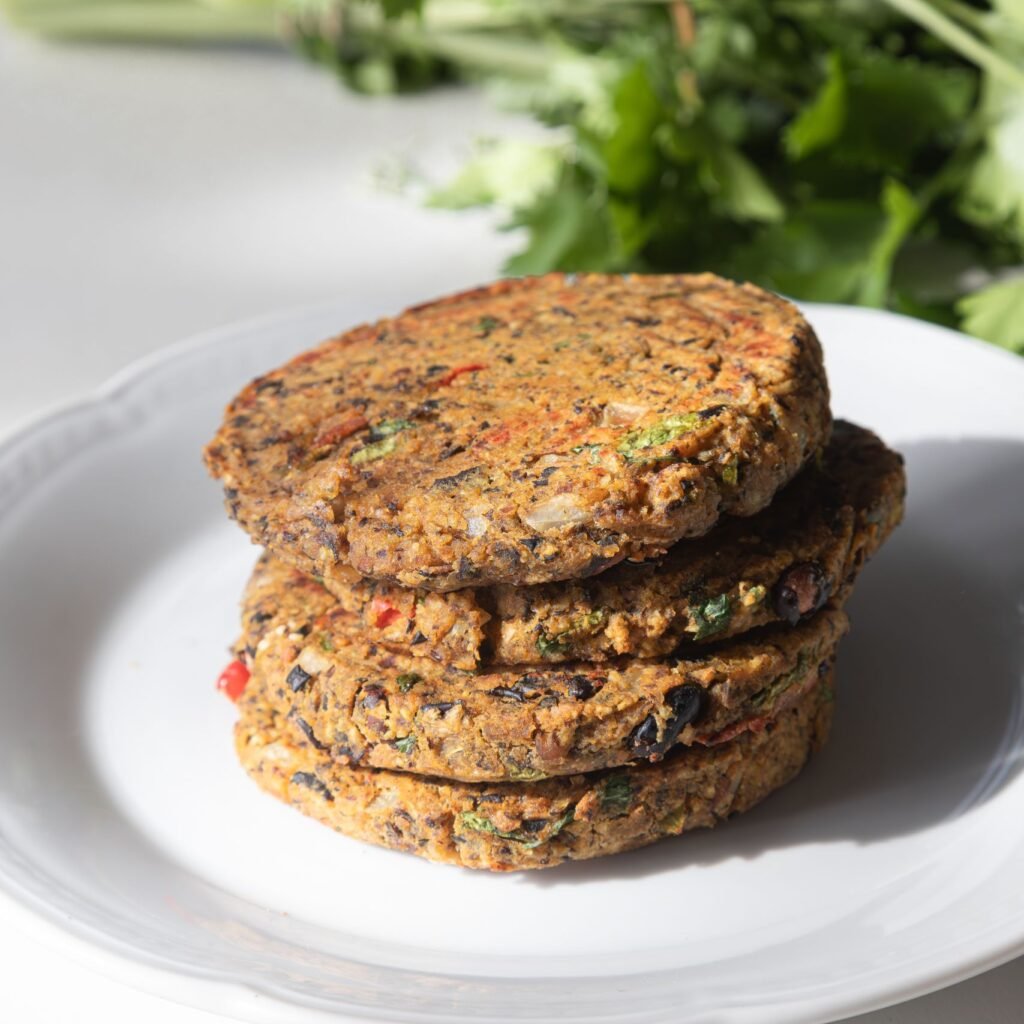
For something closer to a burger or sausage, store-bought plant-based meats have come a long way and are widely available now, though whole-food options like a black bean burger or mushroom-walnut patty tend to be more affordable and just as satisfying, while also being easier to customize to your own taste.
Jackfruit deserves a mention here too — its fibrous texture when cooked makes it a surprisingly convincing substitute for pulled pork or shredded chicken in dishes like tacos or sandwiches.
Honey
Maple syrup and agave nectar both work as one-to-one substitutes in most recipes, with maple syrup offering a slightly more complex flavor that works particularly well in baking, especially anything with warm spices like cinnamon or ginger. Agave tends to be a bit more neutral, which makes it a better fit when you don’t want to introduce any additional flavor at all, like in a simple vinaigrette.
Gelatin
Agar agar, derived from seaweed, sets in a very similar way to gelatin and works in jellies, gummies, and some desserts. It does set firmer than gelatin, so it usually needs to be used in slightly smaller amounts, and it sets at room temperature rather than needing refrigeration, which is worth knowing if you’re adapting a recipe.
The substitution that works best really depends on what job the original ingredient is doing in the recipe — whether it’s there for binding, flavor, richness, leavening, or texture. An egg in a cake is doing something very different from an egg in a quiche, and the same is true for butter in pastry versus butter melted over vegetables.
Once you start thinking about ingredients in terms of function rather than just trying to find a direct replacement, substituting becomes much more intuitive. You’ll start to notice patterns: fat needs fat, binding needs starch or protein, richness needs something with body. From there, it’s mostly a matter of experimenting until you find the combination that feels right for the dish in front of you.